미래 내다보는 나주교육…학생부터 성인까지 전 생애 교육체계 구축
빅뱅 프로젝트, 미래교육지원센터, 배움바우처…혁신 정책 전방위 추진
학생 유입과 정착까지 선순환 구조 구축으로 지방 교육 새 모델 제시
전남 나주시가 교육을 도시 경쟁력의 핵심 축으로 삼고 미래 인재 양성과 정주 기반 구축을 위한 전방위 교육혁신 정책을 추진하며 지방 교육의 새로운 모델을 만들어가고 있다.
나주시는 대도시와의 교육격차 해소를 위해 단편적 지원을 넘어 교육 기반 전반을 혁신하는 데 시정 역량을 집중해 왔다.
나주교육 빅뱅 프로젝트 협력, 미래교육지원센터 설립, 평생학습 선도모델 구축 등 나주의 교육혁신은 지역의 인재가 지역에서 성장하고 정착하는 선순환 구조의 새로운 지방 교육 패러다임을 만들어가고 있다.
■ 나주교육 빅뱅 프로젝트 협력, 미래 인재 양성 새로운 전기 마련
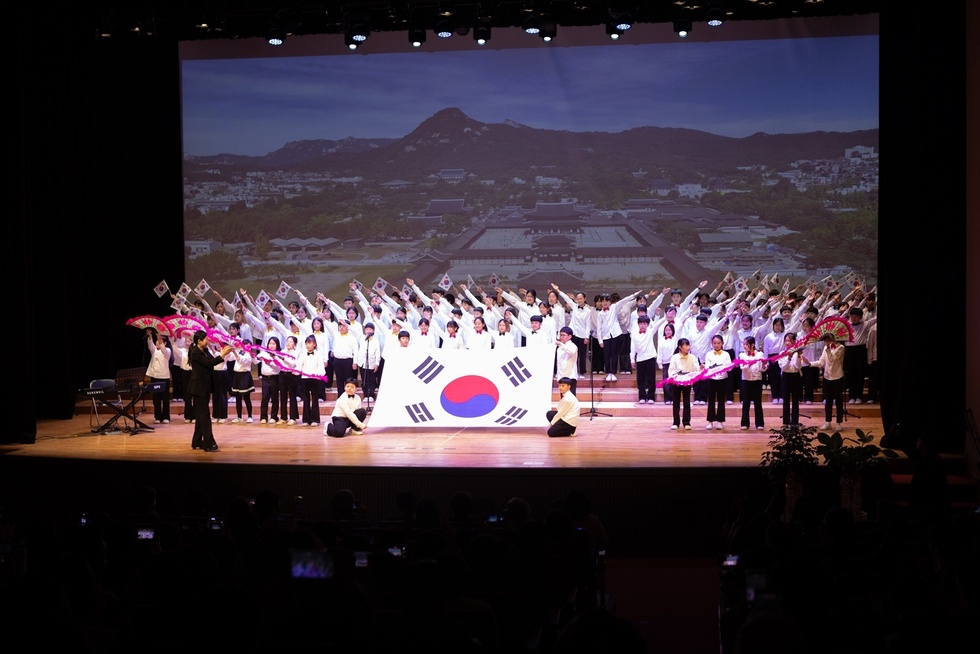
‘나주교육 빅뱅 프로젝트’는 향후 10년 내 학생 3만 명 시대 실현을 목표로 2034년까지 장기 계획과 3단계 추진 로드맵을 제시하고 있다.
2025~2027년 ‘기반조성기’에는 교육 인프라와 제도적 기반을 마련하고 2028~2032년 ‘교육성장기’에는 학교 신설 및 이설, 나주-광주 공동학군제 도입 등 실질적 성과 창출에 집중하며 2033~2034년 ‘빅뱅안정기’에는 나주교육타운 정착으로 인한 교육 유입 인구 증대와 광주-나주 공동생활권 확대를 추진한다.
또한 ‘지속 가능한 미래 공생교육’이라는 철학 아래 한국에너지공과대학교와 연계한 에너지영재교육원, 지역 협력형 돌봄센터, 나주형 교육특구 운영 등 미래형 교육정책을 병행 추진하며 지속 가능한 교육 생태계를 구축하고 있다.
시는 올해 개관한 어린이도서관과 남도의병역사박물관, 다함께돌봄센터를 비롯해 2029년 매성초(가칭) 신설 등 교육 기반시설 확충을 통해 생활 밀착형 교육 인프라도 지속 확대하고 있다.
나주시는 올해 개관한 빛가람꿈자람센터를 향후 3층으로 증축시켜 국제교류 통합 지원, 직업교육 교류 지원, 글로컬 교육센터, 다문화 학부모 이중언어 강사 양성, 화상 외국어 교육 등 다각적인 활용 방안을 모색 중이다.
■ 나주미래교육지원센터 설립…교육 접근성 높였다
교육혁신의 중심에는 지난 2023년에 설립된 나주미래교육지원센터가 있다.
센터는 온라인 강의 지원과 진로체험 프로그램, 지역 자원 연계 교육을 통해 학생들의 학업 역량과 진로 탐색을 지원하는 교육 플랫폼 역할을 하고 있다.
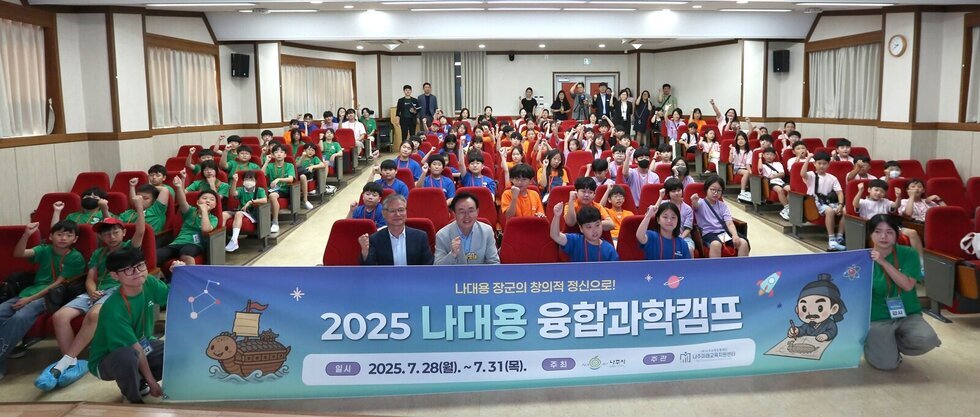
자랑스런 나주알기, 강남인강, 나주런(Naju-Learn), 나대용 융합과학 캠프 등으로 학생들의 학업 역량과 진로 탐색을 지원하며 지역 맞춤 교육 서비스 제공을 통해 교육 접근성을 크게 높였다는 평가를 받고 있다.
자랑스런 나주알기는 역사 교육 프로그램으로 지난해 상반기와 하반기에 2차례 진행했으며 평균 만족도 91%에 달하는 높은 만족도를 보였다.
시는 2024년부터 ‘강남인강’을 수강할 수 있도록 지역 중고생 300명에게 연간 1만 원으로 주요 과목 강의를 무제한 이용할 수 있는 수강권을 제공하고 있으며 ‘나주런’은 유명 인터넷 교육 사이트인 메가스터디의 인터넷 강의를 1년간 자유롭게 수강할 수 있도록 지원하는 사업으로 지난해에는 186명의 학생이 혜택을 받았다.
나대용 융합과학 캠프는 관내 초등학교 4~6학년 학생 100명을 대상으로 과학 융합 캠프 프로그램 진행을 통해 기존 부스 운영 중심에서 탈피해 프로젝트형 체험 프로그램 개발로 만족도가 매우 높다.
혁신도시 이전 공공기관과 연계한 지역 교육자원 협력 프로그램도 돋보인다.
한국에너지공과대학교(켄텍, KENTECH)와 연계한 ESP 영어 익힘터(초등학생), 한국문화예술위원회와 함께하는 나도 배우(중학생 대상 예술 체험), 나주향교의 예절 배움터 등 지역의 인적, 문화 자원을 결합한 교육 프로그램은 나주교육 생태계의 다양성과 경쟁력을 한 단계 끌어올렸다는 평가를 받는다.
■ 전국 최초 ‘예술 더하기 수업’ 큰 성과
문화예술 교육 분야에서는 한국문화예술위원회와 협력해 전국 최초로 ‘예술 더하기 수업’을 운영하며 학생들의 창의력과 감수성 함양에 기여하고 있고 다양한 기초예술 교육을 통해 학생 참여형 수업을 확대하고 있다.
2024년 시범 사업을 거쳐 지난해 본격적으로 시작한 ‘예술 더하기 수업’은 올해부터는 참여 학교 6개교의 대상 학년을 4학년으로 통일하고 연극, 문학, 건축, 음악(합창·기악), 무용 등 기초예술을 심도 있게 배우는 프로그램으로 운영된다.
정규 교과와 연계해 운영되며 전문 예술 강사들이 학생 맞춤형 실습과 창작 활동을 지도한다.
지난해 빛가람동의 라온초(연극, 5학년), 빛가람초(건축, 2학년), 빛누리초(음악, 4학년), 한아름초(무용, 4학년)는 혁신도시 발전기금 4억 원으로 1년간 진행했으며 원도심의 나주초(영화, 5학년)와 남평초(문학, 4학년)는 특별교부세 1억 원을 활용해 2학기에 교육을 진행했고 큰 호응 속에 사업이 마무리됐으며 올해부터는 연중 프로그램으로 확대할 계획이다.
■ 전남 최초 ‘나주愛배움바우처’…1인당 연 15만 원 지원
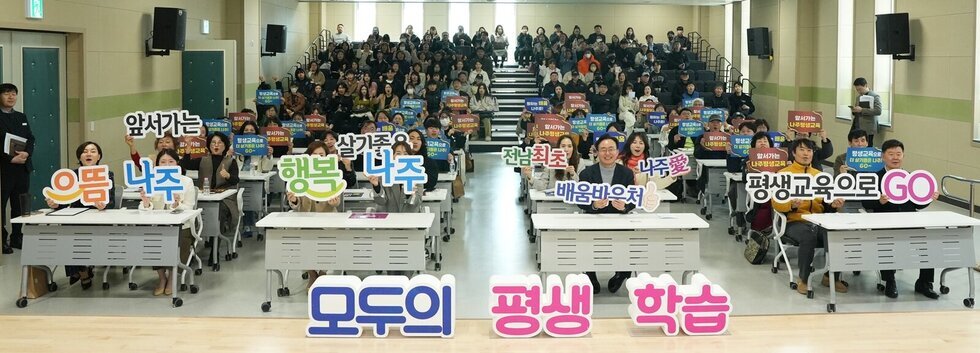
평생학습 분야에서는 전남 최초로 ‘나주愛(애) 배움바우처’를 도입해 시민 누구나 교육 기회를 누릴 수 있는 기반을 마련했다.
나주 시민에게 1인당 연 15만 원의 학습비를 지원하는 제도로 2023년 2500명, 2024년 3000명, 2025년에는 5000명으로 점차 확대했다.
올해 배움바우처 사업은 약 9300명이 지원했으며 오는 7일 추첨을 통해 8일에 5000명을 최종 발표할 예정이다.
현재 바우처 사용이 가능한 기관이 200여 개소가 넘는데 운동, 예술, 자격증, 외국어 등 다양한 교육과정 참여가 가능해 시민들의 자기 계발 접근성을 획기적으로 개선했다.
지금까지 1만여 명이 넘는 시민들의 참여로 연간 학습비 지원을 통해 자기 계발과 재취업 역량 강화로 이어지는 등 시민 삶의 질 향상에도 실질적인 효과를 거두고 있다.
■ 빛가람동 과밀학급 해소 위한 초등학교 신설 추진
교육 인프라 확충도 속도를 내고 있는데 빛가람동 과밀학급 해소를 위해 초등학교 신설과 돌봄 시설 구축을 추진하고 있으며 매성중·고등학교 분리 운영을 통해 교육 환경 개선에도 나서고 있다.
시는 현재 빛가람동 227-148번지 일원에 19학급 규모의 매성초(가칭)와 돌봄센터 신설을 진행하고 있다.
시는 도교육청과 함께 학교용지 무상 사용 허가를 위한 협약을 체결할 예정으로 학교설립을 위한 예산확보와 공사 기간을 거쳐 오는 2029년 개교를 목표로 사업을 뒷받침하고 있다.
이와 더불어 현재 함께 사용 중인 매성중학교와 매성고등학교 분리도 추진한다.
매성중학교와 매성고등학교는 지난 2020년 개교 이후부터 같은 건물을 사용해 왔으나 교육 효율성 강화와 학생들의 독립적인 교육 환경 조성을 위해 매성중학교 증축 사업을 진행하고 있다.
나주시 빛가람동 95-1번지에 다목적 강당, 급식실, 12학급 규모의 학교를 오는 2027년 3월까지 증축을 완료할 계획으로 올해 연말까지 시설 공사와 준공검사를 마무리하고 내년부터는 분리해서 학교 운영을 할 수 있도록 추진할 방침이다.
■ 세계로 뻗어가는 나주교육…다양한 국제 프로그램
글로벌 인재 양성을 위한 국제 교육 프로그램도 영어 체험 교실과 영어 캠프, 해외 어학연수 프로그램 운영을 통해 학생들의 실용 영어 능력과 국제 감각을 높이고 있으며 해외 청소년 교류 프로그램을 통해 다양한 문화 경험 기회도 제공하고 있다.
방학 기간 운영되는 초등 영어 캠프는 체험과 놀이 중심 수업으로 참여 만족도가 높아 매년 수요가 증가하고 있다.
중학생을 대상으로 시행하는 미국 어학연수 프로그램은 현지 학교 수업 참여와 홈스테이 경험을 통해 글로벌 문화 이해와 실용 영어 능력을 강화해 학생들을 글로벌 인재로 양성하고 있다.
나주시는 앞으로도 교육을 중심으로 인구 유입과 정주 여건을 강화하고 지역과 함께 성장하는 지속 가능한 교육도시 조성에 박차를 가할 계획이다.
사진 설명)
1. 2025년 9월 29일 ‘2025 나주교육 빅뱅 프로젝트’ 선포식에 참석한 시민과 관계자들이 단체 퍼포먼스를 선보이고 있다
2. 나주시가 2025년 11월 11일 나주문화예술회관과 나주정미소 일원에서 ‘예술 더하기 수업 성과공유회’를 개최했다.
3. 지난해 진행한 나대용 융합과학 캠프에 관내 초등학교 4~6학년 학생 100명이 참여했다.
4. 나주시가 전남 최초로 ‘나주愛(애) 배움바우처’를 도입해 시민 5천 명을 대상으로 1인당 15만 원의 학습비를 지원한다.
5. 지난 2월 6일 개관한 꿈자람센터에서 아이들이 아동자치회의를 하고 있다.
(사진 제공-나주시)
Naju establishes a lifelong learning cycle for all ages—from school students to adults
Innovative policies across the board, including the Big Bang Project, Future Education Support Center, and Learning Vouchers
Proposing a new regional educational model that covers all stages—from student inflow to settlement
The Naju City Government in Jeollanam-do is implementing innovative policies across the board to position education as the centerpiece of its urban competitiveness, as well as lay the foundations for developing future talent and supporting their settlement, culminating in a new model that proposes a new future for regional education.
The government has focused its administrative capacity on transforming the entire learning ecosystem—not merely providing fragmented support—to narrow the educational gap with major metropolitan areas.
Through a wide range of initiatives, including the Naju Education Big Bang Project, Naju Future Education Support Center, and the development of a leading lifelong learning model, the city’s educational innovation is shaping a new paradigm for regional education where local talent can grow, thrive, and settle within the community.
■ Big Bang Project: Naju’s collaborative efforts in education to lay the groundwork for nurturing talent
The Naju Education Big Bang Project presents a long-term plan and three-phase roadmap through 2034, with the goal of reaching 30,000 students within the next decade.
During the Foundation Building Phase (2025–2027), the city will establish educational infrastructure and institutional support systems. The Education Growth Phase (2028–2032) will focus on delivering tangible outcomes, including the construction and relocation of schools and the introduction of a joint school district system between Naju and Gwangju. In the Big Bang Stabilization Phase (2033–2034), the city intends to increase education-driven population inflows through the settlement of Naju Education Town and expand the shared living sphere between Gwangju and Naju.
Guided by the philosophy of “sustainable, future-oriented coexistent education,” Naju city is also advancing forward-looking education policies, including an Energy Gifted Education Institute in partnership with the Korea Institute of Energy Technology (KENTECH), community childcare centers, and an education special district. Together, these initiatives are contributing to fostering a sustainable learning ecosystem.
The city is also expanding education-related infrastructure that directly benefits residents. Recent additions include a children’s library, the Namdo Righteous Army History Museum, and community childcare centers. A new elementary school tentatively named Maeseong Elementary School is scheduled to open in 2029.
Naju is also exploring ways to expand the recently opened
Bitgaram Dream Growth Center into a three-story facility. The center is envisioned as a hub for international exchange support, vocational education partnerships, a glocal education center, bilingual instructor training for multicultural parents, and online foreign-language education programs.
■ Naju Future Education Support Center: Enhancing access to educational opportunities
At the heart of Naju’s educational innovation is the Naju Future Education Support Center, established in 2023.
The center functions as a learning platform that supports students’ academic development and career exploration through e-learning, career experience programs, and educational initiatives linked to local resources.
Proud Naju Discovery, Gangnam e-Learning, Naju-Learn, Convergence Science Camp, and other programs have strengthened students’ academic capabilities and career exploration opportunities. The center has been widely recognized for significantly improving access to education through tailored services.
Proud Naju Discovery, a local history program, was offered twice last year and achieved an average participant satisfaction rate of 91%.
Since 2024, the city has provided 300 middle and high school students annually with unlimited access to Gangnam e-Learning’s classes, allowing them to take courses in major subjects for a yearly fee of just KRW 10,000. Meanwhile, Naju-Learn offers one year of unlimited access to online lectures offered by Megastudy, one of Korea’s leading e-learning platform. Last year, 186 students benefited from the program.
The Convergence Science Camp has also received exceptionally positive feedback. Designed for 100 elementary school students in 4th to 6th grades in the city, the program moves beyond traditional booth-based activities by offering project-based experiential learning opportunities.
Partnerships with public institutions relocated to the Innovation City have further strengthened local educational resources.
Examples include: English for Specific Purposes for elementary students, operated in collaboration with KENTECH; an actor/actress program for middle school students, developed with the Arts Council Korea; and etiquette classes offered through Najuhyanggyo Local Confucian School. By combining local human and cultural resources, these initiatives have bolstered both the diversity and competitiveness of Naju’s learning ecosystem.
■ Arts Plus Class becomes a nationwide model for arts education
In the field of arts and culture education, Naju has partnered with the Arts Council Korea to launch the nation’s first Arts Plus Class. The program is contributing to fostering students’ creativity and artistic sensitivity while expanding student-centered learning through a wide range of foundational arts programs.
Following a pilot program in 2024, Arts Plus Class was fully launched last year. Beginning this year, all six participating schools will offer the program to 4th-grade students, providing in-depth instruction in foundational arts disciplines such as theater, literature, architecture, music (choir and instrument), and dance.
The program is integrated into the regular curriculum and features professional arts instructors who guide students through hands-on practice and creative activities tailored to their developmental needs.
Last year, schools in the Innovation City area—Raon Elementary School (theater, 5th grade), Bitgaram Elementary School (architecture, 2nd grade), Bitnuri Elementary School (music, 4th grade), and Hanareum Elementary School (dance, 4th grade)—operated year-long programs funded by KRW 400 million from the Innovation City Development Fund. Meanwhile, Naju Elementary School (film, 5th grade) and Nampyeong Elementary School (literature, 4th grade) in the city’s original downtown area offered programs during the second semester, funded with KRW 100 million in special grants. The initiative received enthusiastic reviews and is scheduled to operate as a year-round program beginning this year.
■ Naju Love Learning Voucher: The first in Jeollanam-do Province to provide KRW 150,000 per person annually
In the lifelong learning sector, Naju became the first city in Jeollanam-do to introduce the Naju Love Learning Voucher, laying the foundation for all residents to access learning opportunities.
The program provides Naju residents with up to KRW 150,000 in annual learning support per person. Recipients have steadily increased from 2,500 in 2023 to 3,000 in 2024 and 5,000 in 2025.
This year, approximately 9,300 residents applied for the voucher. A draw will be held on July 7, with the final list of 5,000 recipients to be announced the following day.
The initiative has significantly improved access to self-development opportunities for citizens. With more than 200 institutions accepting the voucher, residents are free to participate in a wide range of educational programs, including fitness, arts, certification courses, and foreign-language studies.
To date, nearly 10,000 residents have participated in the program. By providing financial support for annual learning expenses, the voucher has delivered tangible benefits ranging from personal growth to reinforced reemployment skills—ultimately contributing to a higher quality of life for Naju residents.
■ New elementary school planned to ease overcrowding in Bitgaram-dong
Naju is accelerating efforts to expand its educational infrastructure. To address overcrowded classrooms in Bitgaram-dong, the city is initiating construction of a new elementary school and a childcare facility, while also improving the learning environment by separating Maeseong Middle School and Maeseong High School.
The new elementary school, tentatively named Maeseong Elementary School, will be equipped with 19 classrooms. A childcare center is also planned for establishment in the district.
Naju city will sign an agreement with the provincial office of education for the free use of school land. The project, funded by the city through budget allocation and construction planning, is scheduled to complete in 2029.
The city is also pursuing the separation of Maeseong Middle School and Maeseong High School.
Since opening in 2020, the two schools have operated in the same building. To improve educational efficiency and provide students with a more independent learning environment, Naju is undertaking an expansion project at Maeseong Middle School.
The project will add a multipurpose gymnasium, cafeteria, and facilities for 12 additional classrooms at the school site, with completion targeted for March 2027. Construction work and final inspections are expected to be completed by the end of this year, allowing the two schools to begin operating separately next year.
■ Naju education goes global with international programs
Naju offers a range of international programs to raise students with a global mindset. Through English immersion classes, English camps, and overseas language training programs, the city is helping students develop practical English skills and global awareness while providing opportunities for meaningful cross-cultural experiences through international youth exchange opportunities.
The elementary English camp, offered during school vacations, continues to attract growing interest each year thanks to its hands-on, activity-based approach and consistently high student satisfaction.
The US overseas language education for middle school students combines classroom participation at American schools with homestay experiences, helping students deepen their understanding of global cultures while building practical English communication skills.
Looking ahead, Naju plans to continue leveraging education as a key driver of population growth and long-term settlement, while accelerating efforts to build a sustainable education city that seeks mutual growth with the community.





 본 저작물은 "공공누리" 공공누리 제4유형 마크:출처표시+상업적이용금지+변경금지 조건에 따라 이용 할 수 있습니다.