

Naju City
A Heritage for the World to Discover
Mahan culture flourished from the 1st century BCE through the 5th and 6th centuries CE, centered around the Yeongsangang River basin. It is an invaluable cultural heritage that represents the history and culture of southwestern Korea. The world’s only large-scale jar-coffin tombs, along with exquisitely crafted gilt-bronze crowns and shoes, exemplify Mahan’s distinctive culture and remarkable artistic sophistication.
Through active exchanges with China and Japan, Mahan developed a distinctive culture of its own. Its cultural significance deserves to be understood and preserved by people around the world.
Naju at the Heart of the Effort to Secure World Heritage Status
Naju is home to many important Mahan heritage sites, including the Ancient Tombs in Bannam, Ancient Tombs in Bogam-ri, Ancient Tombs in Jeongchon, and Kiln Site in Oryang-dong. The city plays a central role in efforts to have these sites inscribed on the UNESCO World Heritage List. The gilt-bronze crown from Sinchon-ri, designated as a National Treasure, and the gilt-bronze shoes excavated from the Ancient Tombs in Jeongchon, designated as a Treasure, are representative pieces of national heritage that demonstrate the culture and artistry of Mahan’s highest ruling class. Through ongoing academic research, international conferences, and heritage preservation initiatives, Naju is highlighting the universal value of Mahan culture and strengthening the foundation for its inscription on the World Heritage List.
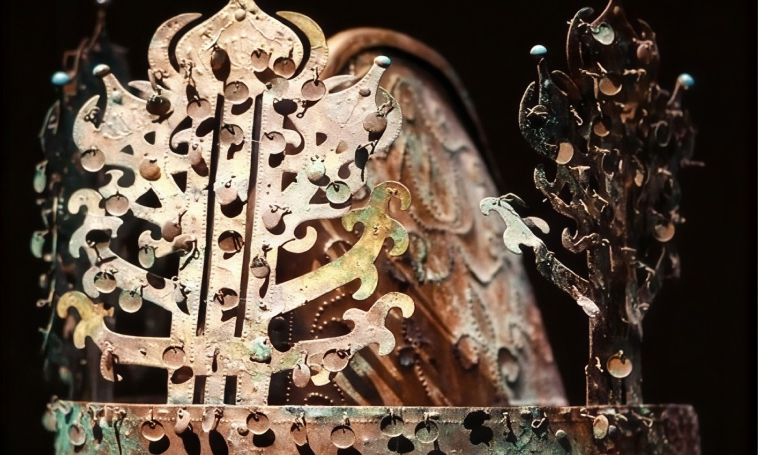
Gilt-bronze Crown from Sinchon-ri, Naju, National Treasure of the Republic of Korea
This crown is an important resource for understanding the Mahan polities that flourished in the Yeongsangang River basin and developed a distinctive jar-coffin burial culture. It was worn as a set consisting of a cap-shaped crown placed on the head and a larger band-shaped crown adorned with upright ornaments.
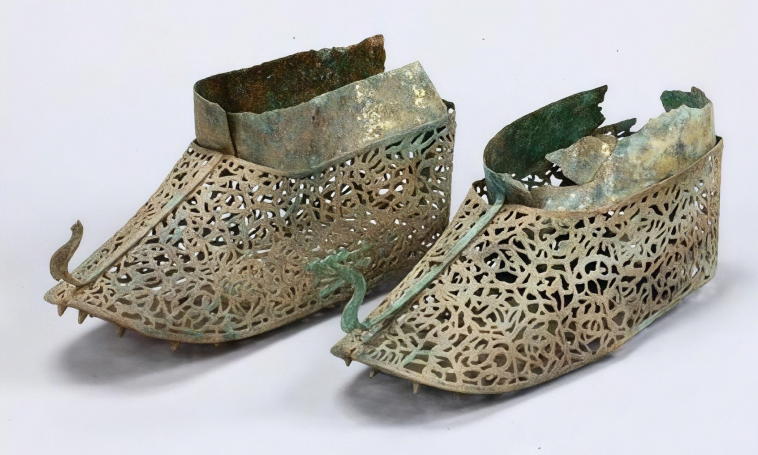
Gilt-bronze Shoes Excavated from the Jeongchon Tomb, Naju, Treasure of the Republic of Korea
These are among the most intricate and elaborate surviving gilt-bronze shoes and represent the pinnacle of metalworking craftsmanship of their time. The dragon-head ornament on the instep appears to lead the other dragons depicted on the shoes. It is unique among surviving gilt-bronze shoes from the Three Kingdoms period.